The Google Pixel 11 is one of the best-value Android phones for US buyers who care about cameras and on-device AI tools, but it is a modest upgrade over the Pixel 10 and it costs $100 more. Upgrade from a Pixel 9 or older. If you already own a Pixel 10 then you can skip it.
Is Google Pixel 11 Really Worth Buying in 2026?
Every year the same question comes up in the tech world: does the newest Pixel justify the money? This Google Pixel 11 review answers it for US shoppers who want a clear recommendation without the marketing noise.
The Pixel 11 launched in August 2026 with Pixel 11 Pro, Pixel 11 Pro XL, and Pixel 11 Pro Fold alongside. It brings the new Tensor G6 chip, a thinner camera bar, faster wireless charging, Android 17 out of the box, and a deeper layer of Gemini-powered AI tools. It also brings a higher starting price, which is the part that has split reviewers.
A transparent note on method: this Techloopy review is an editorial analysis built from Google’s published specifications and the hands-on testing reported by major outlets, including Tom’s Guide, Expert Reviews, MobileSyrup, EFTM, Digit, and Droid Life. We compare their findings, point out where they agree and disagree, and translate everything into advice for American buyers. Where results depend on the test method, we say so.
At Techloopy, we cover tech, smartphones, and the AI tools reshaping everyday life. The Pixel 11 sits right at that intersection, so let’s break it down.
Google Pixel 11 at a Glance: Key Specs
| Spec | Google Pixel 11 |
| Launch | August 2026 |
| US starting price | $899 (12GB RAM, 256GB storage) |
| Processor | Google Tensor G6 (3nm) with Titan M3 security chip |
| Display | 6.3-inch OLED, up to 120Hz |
| Rear cameras | 48MP main, 13MP ultrawide, 10.8MP 5x telephoto |
| Front camera | 10.5MP with autofocus |
| Battery | 4,985mAh |
| Wireless charging | Up to 25W with Qi2.2 chargers, including Google’s Pixel Snap accessories |
| Software | Android 17 pre-installed, Gemini features |
| New colors | Include Hibiscus and Pistachio |
Specs are compiled from published reviews and Google’s launch details. Confirm final specs and pricing on Google’s official page before you buy.
Pixel 11 Price and Availability in the US
The Pixel 11 starts at $899 for the 12GB RAM and 256GB storage model. That is $100 more than the Pixel 10’s $799 launch price. In fairness, the base storage doubled from 128GB to 256GB, so you are getting more space, but you no longer have the option of paying less for a smaller configuration.
Here is how the rest of the 2026 lineup is priced in the US:
| Model | Starting price (USD) | RAM / base storage |
| Pixel 11 | $899 | 12GB / 256GB |
| Pixel 11 Pro | $1,099 | 16GB / 256GB (12GB listed on some configs) |
| Pixel 11 Pro XL | $1,299 | 16GB / 256GB |
| Pixel 11 Pro Fold | $1,899 | 16GB / 256GB |
Multiple outlets tie the higher pricing to rising memory costs across the industry, which is why some rivals have also gone up this year. Retailers and carriers (Verizon, AT&T, T-Mobile) commonly run trade-in credits and installment promotions on new Pixels, so the effective price can land well under $899. Check current offers, because they change weekly.
Design and Display: Familiar, Slightly Refined
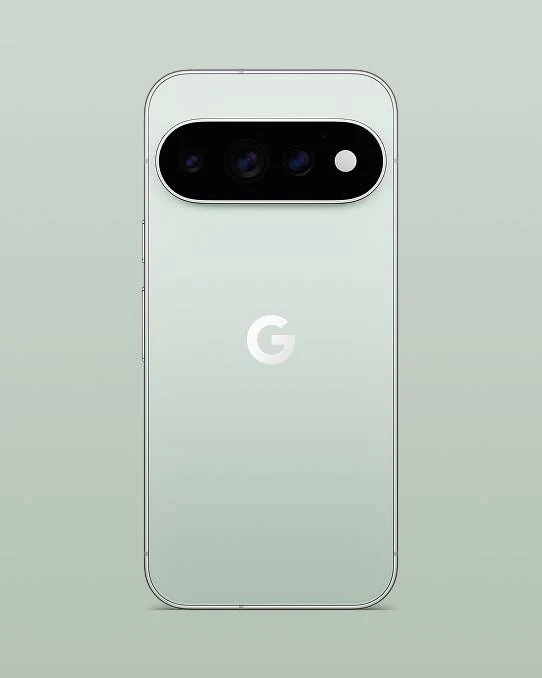
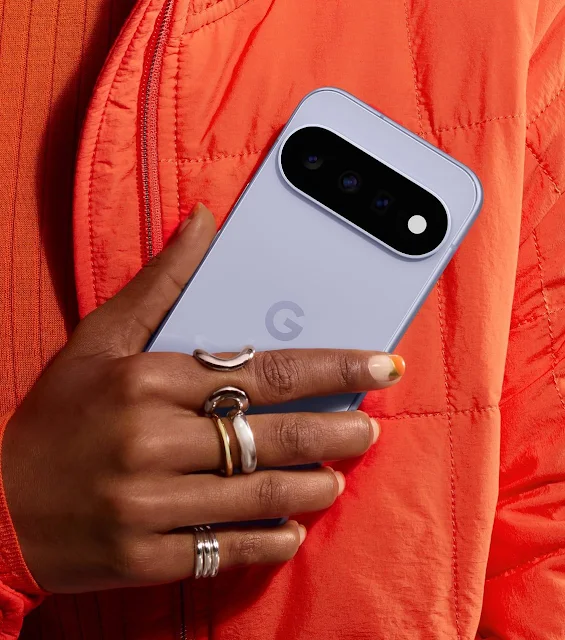
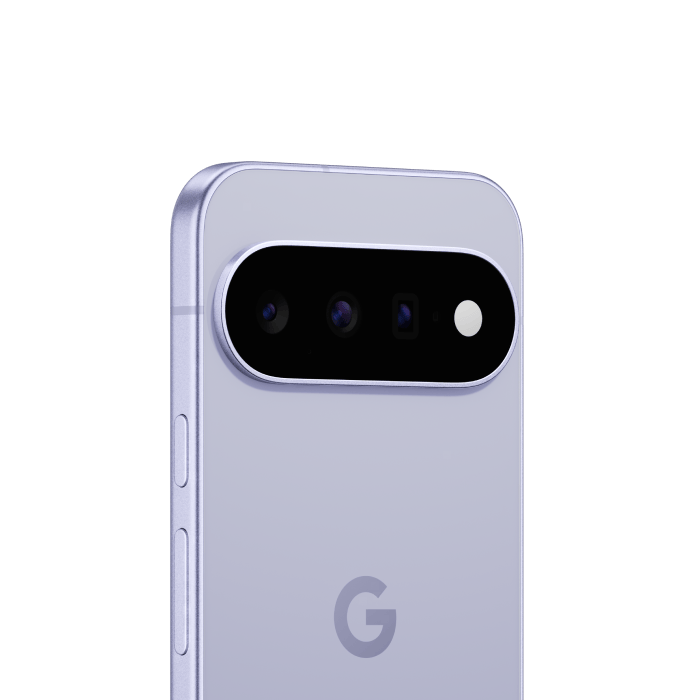
If you liked the look of the Pixel 10, you will feel at home. The Pixel 11 keeps the flat-edged aluminum frame and the horizontal camera bar that has defined Pixels since the Pixel 9. Two changes stand out.
First, the camera bar is noticeably thinner, and reviewers describe a roughly 40 percent reduction in its thickness. Second, Google swapped the metallic plate around the lenses for an all-glass panel. The result looks cleaner and feels a bit less bulky in a pocket.
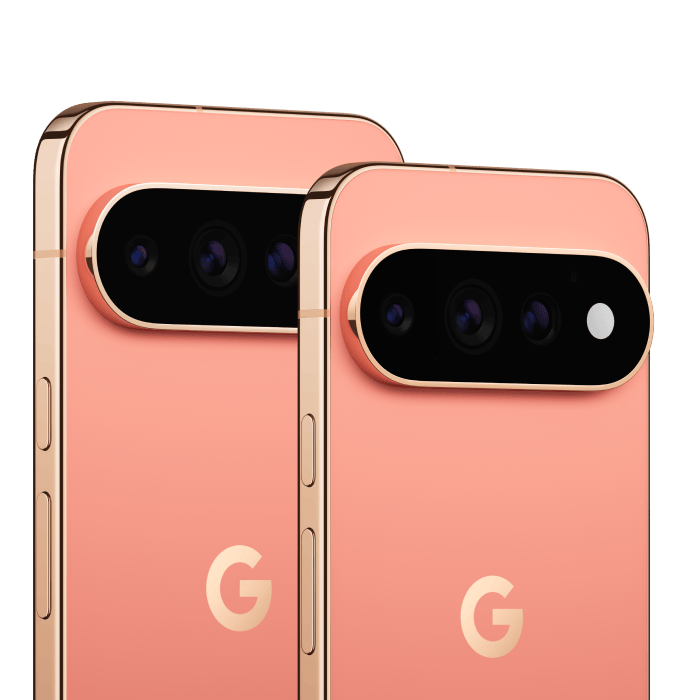
The flashier hardware touch, an LED array around the flash called HiLight that glows during Gemini conversations and calls, is reserved for the Pro models. If that detail matters to you, the base Pixel 11 does not have it.
The 6.3-inch OLED display is bright, smooth, and sharp, and reviewers praised its visibility outdoors. For anyone in a sunny market like Phoenix, Miami, or Los Angeles, that matters more than a spec-sheet number. With a refresh rate that scales up to 120Hz, scrolling through social media, maps, and streaming apps feels fluid.
Techloopy take: The design is a refinement rather than a redesign. That is fine, since the Pixel’s hardware already looked premium, but nobody will upgrade for the looks alone.

Performance: Tensor G6 Explained
The star of this generation is the Tensor G6, built on a 3nm process. Google’s pitch focuses on three things: more AI horsepower, better efficiency, and faster everyday tasks.
As per Google claim the new chip delivers:
- A TPU (the AI engine) up to 50 percent more powerful than last year’s
- It comes up with up to 20% better power efficiency than the Pixel 10 series
- Web browsing up to 25 percent faster and app loading about 15 percent faster
- Local AI models, including Gemini Nano, running significantly faster and using far less energy
Independent testing paints a more grounded picture. Expert Reviews found a modest bump in CPU speeds over the Pixel 10 while noting that the Pixel 11 still sits well behind the fastest rivals. Tom’s Guide reached a similar conclusion, saying the Tensor G6 continues to trail chips in the Galaxy S26 and iPhone 17 and delivers only minor performance gains.
That does not mean the phone is slow. In everyday use, including multitasking, social apps, navigation, photo editing, and casual gaming, the Pixel 11 feels quick and smooth. Digit reported solid daily performance and reliable gaming. The gap shows up in benchmarks and in sustained, heavy 3D gaming, where Snapdragon and Apple chips pull ahead.
Who should care? If you are a heavy mobile gamer, a faster-chip phone may serve you better. If you mostly use your phone for messaging, photos, video, work apps, and AI tools, Tensor G6 is more than enough.
Pixel 11 Camera Review: Smart Software, Familiar Hardware
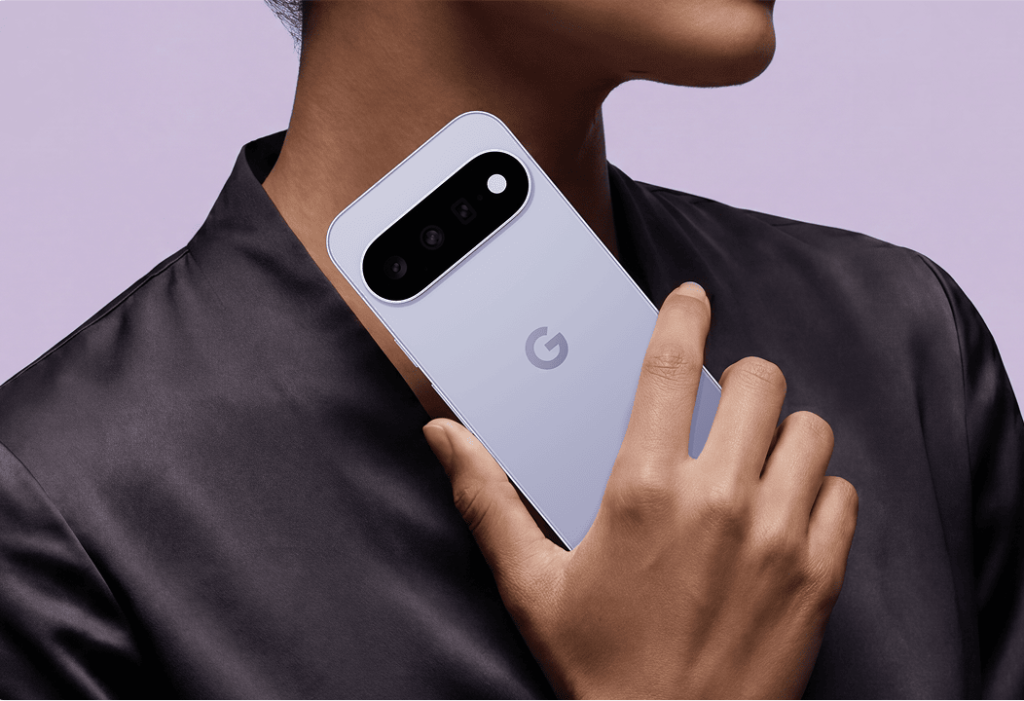
Camera quality is the reason many Americans choose a Pixel, and the Pixel 11 stays strong here, though the hardware is largely unchanged.
Rear camera system
The base Pixel 11 uses a triple-camera setup:
- 48MP main camera with a slightly wider field of view than last year’s
- 13MP ultrawide camera for landscapes and group shots
- 10.8MP telephoto camera with 5x optical zoom
That telephoto lens is a big deal at this price. Many phones near $900 skip a dedicated zoom camera. Super Res Zoom stretches reach to a claimed 30x, and results are best in good light.
What’s new in photography
Because the hardware is similar, Google leaned on software and the improved image signal processor in Tensor G6:
- Camera Looks: customizable photo styles you can tweak and reuse
- Magic Capture: an AI-assisted mode designed to help you grab the best moment
- Creator tools: expanded options aimed at people who shoot and post video regularly
- Better night photography: Google claims significantly more efficient low-light capture
Tom’s Guide called out more camera tools but no major jump in raw image quality. EFTM compared shots with the Pixel 10 Pro, which uses a similar camera, and found the difference small to most eyes. Reviewers consistently praise color accuracy, dynamic range, and exposure consistency.
Front camera
The 10.5MP selfie camera has autofocus, which helps with group selfies and video calls. Skin tones are natural, and portrait mode edge detection is good.
Techloopy take: If you want point-and-shoot reliability, the Pixel 11 camera is still among the best on Android. If you already own a Pixel 10, the camera alone is not a reason to upgrade.
Pixel 11 Battery Life and Charging
Battery results are where reviews vary the most, and the reason is simple: each outlet tests differently.
The Pixel 11 packs a 4,985mAh battery, a tiny increase over the Pixel 10’s 4,970mAh. Google quotes about a full day and then some under typical use. Here is how published tests compare:
- Expert Reviews: about 25 hours 25 minutes in a looping video test, roughly three hours longer than the Pixel 10
- Digit: about 14 hours 43 minutes of screen-on time in the PCMark Work battery test
- Tom’s Guide: described battery life as flat compared with last year
- 91mobiles: called the battery efficient, noting it outperformed some phones with much larger cells
The takeaway: the Pixel 11 should comfortably last a full workday for most people, and Tensor G6’s efficiency helps. It is not a battery champion next to phones with 5,500mAh to 7,000mAh cells, but it is a clear improvement over the Pixel 10 in several tests.
Charging
Wireless charging gets a real upgrade. The Pixel 11 supports up to 25W Qi2.2 wireless charging with compatible chargers, including Google’s Pixel Snap accessories. That makes a magnetic desk or nightstand charger far more practical. Wired charging remains modest compared with some Chinese rivals, so do not expect a 15-minute full charge.
Software and AI Tools: Where the Pixel 11 Shines
This is the section where Pixel justifies its existence, and it is where Techloopy readers who follow AI tools will find the most value.
The Pixel 11 ships with Android 17 pre-installed and a heavier dose of Gemini. Reviewers often describe Google’s AI package as the most useful and least annoying of any phone. Here are the features that matter in daily life.
Gemini assistant
Gemini is deeply integrated. You can ask it to summarize an email thread, pull details from a screenshot, find a restaurant, or draft a text. Because Tensor G6 runs more models locally, many tasks feel faster and keep more data on the phone.
Rambler and Gboard writing tools
Rambler, a Gemini-powered speech-to-text feature in Gboard, turns messy spoken thoughts into clean written messages. EFTM named it one of the standout daily features. Gboard also gains AI writing tools that help rewrite, shorten, or polish text.
On-device AI with Gemini Nano
Because Gemini Nano runs on the phone itself, features such as summaries, smart replies, and recorder transcription work quickly and often without a connection. Google says the Tensor G6 makes local AI up to 3.5 times faster and more energy efficient.
App Bubble multitasking
Android 17 adds new multitasking ideas such as App Bubble, which lets you float an app over your current screen. It is handy for checking a calculator, notes app, or messages without leaving what you’re doing.
Photo and video AI
Magic Eraser-style edits, Camera Looks, Magic Capture, and creator tools make the Pixel 11 a strong choice for people who post to Instagram, TikTok, and YouTube without wanting to spend an hour editing.
Best AI tools to try first on a new Pixel 11
- Gemini Live for natural voice conversations and brainstorming
- Rambler for dictating messages and notes
- Call and recorder summaries for meetings and interviews
- Circle to Search for instant lookups from anything on screen
- Camera Looks and Magic Capture for better photos with less effort
Feature availability can vary by region, account, and Google subscription tier, so some tools may require a Google AI plan or a staged rollout. Check your settings after setup.
Security and Software Updates
The Pixel 11 includes the new Titan M3 security coprocessor, which protects sensitive data such as biometrics and encryption keys. Pixels also receive updates directly from Google, which means faster security patches than most Android rivals. Google has offered long update windows on recent Pixels, so confirm the current commitment for the Pixel 11 on Google’s site before you decide how long you plan to keep it.
Pixel 11 vs Pixel 10: Should You Upgrade?
| Category | Pixel 10 | Pixel 11 |
| Starting price | $799 (128GB) | $899 (256GB) |
| Chip | Tensor G5 | Tensor G6, better efficiency and AI speed |
| Camera hardware | Triple camera | Mostly unchanged, with a slightly wider main lens view |
| Battery | 4,970mAh | 4,985mAh, slightly better runtime in several tests |
| Wireless charging | Slower | Up to 25W Qi2.2 |
| Design | Aluminum with metal camera plate | Thinner all-glass camera bar |
| Software | Android 16 at launch | Android 17 at launch |
Upgrade if: you have a Pixel 9 or older, a phone that is three or more years old, or you want the stronger AI and wireless charging.
Skip if: you own a Pixel 10. The gains are real but small, and the higher price makes the jump harder to justify. A discounted Pixel 10, if you can still find one, may be the smarter buy for new customers.
Pixel 11 vs iPhone 17 vs Galaxy S26
American shoppers usually compare three flagships. Here is how they stack up in broad strokes.
- Pixel 11: best for AI tools, camera consistency, clean software, and a dedicated telephoto lens at this price. Weaker in raw chip speed.
- iPhone 17: best for ecosystem, resale value, video recording, and sustained performance. Less customizable and light on Google-style AI assistance.
- Galaxy S26: best for display options, performance, and features such as DeX-style desktop modes. Software can feel busier than Pixel’s.
If you already use Google services such as Gmail, Google Photos, Maps, and Calendar, the Pixel 11 integrates with them more smoothly than anything else. If you live in iMessage and AirDrop, stay with iPhone.
Pixel 11 vs Pixel 11 Pro: Which One Should You Buy?
The Pixel 11 Pro starts at $1,099 and adds a more advanced camera setup, a LTPO display with a variable refresh rate down to 1Hz, HiLight, more RAM, and a brighter screen. The $200 gap is real money.
Choose the Pixel 11 if you want the best value and do not need pro-level camera hardware. Choose the Pixel 11 Pro if photography is a priority, you want a brighter display, or you plan to keep the phone for many years.
Pros and Cons Summary
Pros
- Excellent camera system with a real 5x telephoto lens
- Strongest and most practical AI tools on any Android phone
- Clean Android 17 experience with fast updates
- Bright, smooth OLED display
- 256GB starting storage
- Faster 25W Qi2.2 wireless charging
- Efficient battery performance in several tests
Cons
- $100 higher starting price than the Pixel 10
- Tensor G6 still trails Snapdragon and Apple chips in raw speed
- Small hardware gains over last year
- Wired charging is not class-leading
- HiLight and some premium touches are Pro-only
What Do Other Reviewers Say?
Reviewers agree on the facts and disagree on how much the price matters:
- Tom’s Guide was the most critical, calling the upgrades lackluster for an extra $100 while praising the AI features and display.
- Expert Reviews called it a great phone held back by a mediocre processor, and said Gemini is the most effective phone AI package it has used.
- MobileSyrup recommended it for people who need an upgrade, noting that the chip improves but not by enough to change the story.
- EFTM concluded that the Pixel 11 is enough for most people.
- Digit praised how useful the Gemini experience feels in daily life and reported strong battery numbers.
The pattern is consistent. Reviewers love the software, like the camera, accept the chip, and grumble about the price.
Techloopy’s Rating for the Google Pixel 11
Techloopy editorial rating: 8.0 out of 10 (a score based on the published specs and the combined findings of the reviews listed above).
| Category | Score |
| Design and display | 8.5 / 10 |
| Performance | 7.5 / 10 |
| Camera | 8.5 / 10 |
| Battery and charging | 7.5 / 10 |
| Software and AI tools | 9.0 / 10 |
| Value | 7.5 / 10 |
The Google Pixel 11 is not a revolution. It is a polished, practical phone that does more with software than most rivals manage with hardware. For anyone coming from a Pixel 8, Pixel 9, or an older Android or iPhone model, it is a very strong buy, especially with a trade-in deal. For Pixel 10 owners, wait for the next generation.
Frequently Asked Questions About the Google Pixel 11
How much does the Google Pixel 11 cost in the US?
The Pixel 11 starts at $899 for the 12GB RAM and 256GB storage model. The Pixel 11 Pro starts at $1,099, the Pro XL at $1,299, and the Pixel 11 Pro Fold at $1,899. Carrier and retailer promotions can lower the effective price.
When was the Google Pixel 11 released?
Google launched the Pixel 11 series in August 2026. The foldable Pixel 11 Pro Fold typically ships a bit later than the standard models.
Is the Pixel 11 worth it over the Pixel 10?
For most Pixel 10 owners, no. The improvements in efficiency, AI speed, wireless charging, and design are real but incremental, and the price is $100 higher. It is a much better upgrade from a Pixel 9 or older.
What chip does the Pixel 11 use?
The Pixel 11 uses Google’s Tensor G6, a 3nm chip paired with the Titan M3 security coprocessor. Google emphasizes AI performance and efficiency over raw benchmark scores.
How good is the Pixel 11 camera?
It is very good. The triple-camera system includes a 48MP main camera, a 13MP ultrawide, and a 10.8MP 5x telephoto. Reviewers praise color, dynamic range, and consistency, though the hardware is largely unchanged from last year.
How is the Pixel 11 battery life?
It is solid for a full day. The 4,985mAh battery performs better than the Pixel 10 in several tests, but results vary by testing method, and it does not lead the segment against phones with larger batteries.
Does the Pixel 11 support wireless charging?
Yes. It supports up to 25W Qi2.2 wireless charging with compatible chargers, including Google’s Pixel Snap accessories.
What AI tools does the Pixel 11 have?
The Pixel 11 includes Gemini, Gemini Nano on-device features, Rambler voice typing in Gboard, AI writing tools, Camera Looks, Magic Capture, and creator tools. Some features may depend on region or a Google AI subscription.
Which Android version does the Pixel 11 run?
It ships with Android 17, which includes multitasking upgrades such as App Bubble.
Is the Pixel 11 better than the iPhone 17 or Galaxy S26?
It depends on your priorities. The Pixel 11 wins on AI tools, clean software, and camera value. The iPhone 17 and Galaxy S26 lead in raw processor speed, and the iPhone has the stronger ecosystem and resale value.
Should I buy the Pixel 11 or Pixel 11 Pro?
Buy the Pixel 11 for the best value. Choose the Pro if you want upgraded cameras, a brighter variable-refresh display, extra RAM, and premium touches like HiLight.
Where can I read more Pixel and AI tools coverage?
Techloopy publishes smartphone reviews, tech news, and guides to the best AI tools. Visit the Techloopy homepage for the latest.
Conclusion
The Google Pixel 11 proves that a phone does not need the fastest chip to feel smart. With a reliable camera, clean Android 17, and the most practical on-device AI tools on the market, it earns its place among the best Android phones of 2026, even with a higher price.
If you are upgrading from an older phone, hunt for a trade-in deal and buy with confidence. If you already own a Pixel 10, save your money. Either way, keep following Techloopy for hands-on updates, price drops, and the latest in tech and AI tools.
Prices, specifications, and software features are drawn from published launch coverage and reviews as of October 26, 2026, and may change. Confirm details with Google or your carrier before purchasing.
About the Author
The Techloopy editorial team covers consumer tech, smartphones, laptops, and the fast-moving world of AI tools. Our goal is simple: turn complicated specs and marketing claims into clear advice for American readers. We compare published testing, track pricing, and explain what new features actually mean in daily life. Explore more reviews, buying guides, and AI tool breakdowns on the Techloopy homepage.
Sources Consulted
- Tom’s Guide: Google Pixel 11 review
- Expert Reviews: Google Pixel 11 review
- Expert Reviews: Google Pixel 11 preview
- MobileSyrup: Google Pixel 11 Canadian review
- EFTM: Google Pixel 11 review
- Digit: Google Pixel 11 review
- 91mobiles: Google Pixel 11 review
- Mobiles.co.uk: Pixel 11 review
- Droid Life: Pixel 11 series pricing and specs
- Android Authority: Pixel 11 series release date, price, specs