
I’ll admit something. For years, I rolled my eyes at foldable phones.
My first encounter was a friend’s early-generation fold at a coffee shop in 2019. He opened it with a proud little flourish, and I watched the screen show a crease deep enough to lose a coin in. A few weeks later, he told me it was in the shop. It wasn’t the last time I heard that story.
Fast forward to beginning 2027, and the question has changed. It’s no longer “Why would anyone buy this?” It’s “Wait, should I buy one?“
If you’re a tech-savvy American shopper wondering whether foldable phones are finally good enough, you’ve landed in the right place. We’re going to talk about durability, creases, battery life, price, software, and whether a $2,000 phone makes sense when your current one works fine. No fluff, no sales pitch, basically the real thing you wonna hear and actually want to know about.
Welcome to another deep dive from Techloopy, where we cover tech the way real people use it. We research for you collect original reviews, company claims, customer experience and let you know everything all at one place so you can be sure.
The Short Answer (For the one’s Impatient)
Yes, foldable phones are finally good enough for most people who can afford them. No, they still aren’t a no-brainer for everyone.
Here’s the quick version:
- Durability has improved dramatically. Google’s Pixel 10 Pro Fold became the first book-style foldable with a full IP68 water and dust rating.
- Design is finally mature. Samsung’s Galaxy Z Fold 7 proved a foldable could be thin and light. The 2026 Galaxy Z Fold 8 has a wider shape that feels more like a normal phone.
- Software is better, with apps that actually use the big screen.
- Price is still the biggest barrier. Flagship foldables generally run $1,800 to $2,100 or more.
- Repairs and long-term wear are still a gamble compared to a traditional slab phone.
So the technology has arrived. Your wallet may not have.
A Quick Look Back: How Did Foldable Phones Get Here?
To judge whether foldable phones in 2027 are ready, it helps to remember how rough things used to be way back where it all started.
The original Galaxy Fold stumbled badly in 2019. Review units failed within days, and Samsung pulled the launch for about five months to fix it. Early foldables had fragile plastic screens, visible gaps in the hinge, and almost no water or dust protection. Using one outdoors felt like carrying a Fabergé egg through a sandstorm.
Then things started improving, slowly:
- 2020–2022: Samsung refined its hinge and added better glass. Flip-style phones like the Z Flip brought the price down and made foldables more fashionable.
- 2023: Google joined in with the first Pixel Fold. Motorola’s Razr revival gave budget-minded buyers an option.
- 2024: Thinner designs and brighter screens arrived, but creases and weight were still a problem.
- 2025: The Galaxy Z Fold 7 landed with an ultra-thin, ultra-light build, and the Pixel 10 Pro Fold earned an IP68 rating.
- 2026: A new form factor arrived, the “wide fold,” along with Apple’s long-rumored entry into the category.
That last point is why 2026 feels different. When Apple gets involved, the whole industry pays attention.
What Actually Got Better? (The Stuff That Matters)
Spec sheets can be misleading, so here’s what changed in daily use.
1. Foldable Phone Durability Is No Longer a Joke
This was the number one reason people avoided foldables. It’s also where the biggest progress happened.
The Pixel 10 Pro Fold uses a gearless hinge, a design that removes many of the tiny mechanical parts that traditionally wear out. Combined with its full IP68 rating, it’s the first notebook-style foldable you can honestly say is built for real life: rain, beach sand, a dusty hiking trail.
Samsung’s Galaxy Z Fold 7 and Z Flip 7 carry an IP48 rating. That means protection against water and solid objects larger than 1mm, but not fine dust. Samsung’s Armor Flex hinge has also been praised for durability.
Is a foldable as tough as a Galaxy S-series slab? Not quite. But the gap has narrowed enough that “will it survive a month?” is no longer a serious question.
2. The Crease Is Fading (Mostly)
Let’s be honest: the crease is the most visible compromise of any foldable.
The Fold 7 shipped with a less noticeable crease than previous models. Google’s Pixel 10 Pro Fold has an impressively bright inner display that reached 2,600 nits in testing, though reviewers noted its crease is still more pronounced than some rivals, especially under bright light.
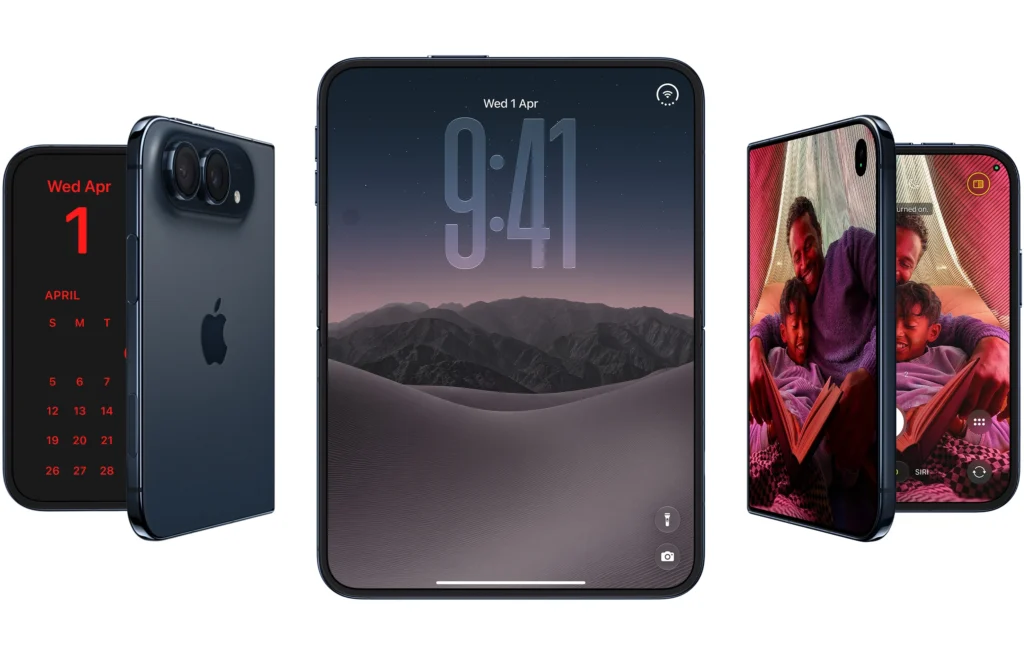
The next leap may come from Apple. Early coverage suggests Apple’s foldable uses two layers of ultra-thin glass and a liquid-metal hinge for a nearly creaseless screen. If that holds up in real-world use, it could set a new benchmark. Treat that as promising but unproven until independent reviews land.
3. Thin, Light, and Actually Pocketable
The Galaxy Z Fold 7 is a work of art, with a build thinner than most regular slate phones when unfolded, as reviewers pointed out. That changed what a book-style foldable could be.
Samsung then did something bold with the Galaxy Z Fold 8. Before there was one Fold, now there are now two:
- Galaxy Z Fold 8 Ultra: the tall, narrow successor to the Fold 7, with an 8-inch inner display and 6.5-inch cover screen.
- Galaxy Z Fold 8: a wider, shorter “passport-style” design, marketed as the world’s lightest fold at 201 grams.
Both launched at Samsung’s July 2026 event in London. The wider shape matters more than it sounds. Old tall-and-skinny foldables had cramped cover screens that felt awkward for typing. A wider cover display feels like a regular phone when closed and a mini tablet when open.
4. Software Finally Caught Up
Hardware is only half the story. For years, apps stretched awkwardly across big foldable screens, and you’d occasionally open something that looked like a phone app stuck in the middle of a tablet.
In 2027, the picture is much better. Samsung’s One UI, Google’s Android foldable tools, and wider developer support mean most major apps now adapt properly. Split-screen multitasking, drag-and-drop between apps, and taskbar-style layouts feel natural instead of experimental.
This is also where AI tools come in. Features like on-device assistants, live translation, and smart summaries make a big canvas more useful. Having a chatbot open on one half of your screen while you read or research on the other half is a surprisingly great workflow. We cover more of this over at AI tools Techloopy, where we test how these assistants really perform day to day.
Meet the Contenders: Best Foldable Phones in 2027
Here’s a rundown of the phones worth your attention right now. Prices are approximate US figures from recent coverage, so double-check before buying.
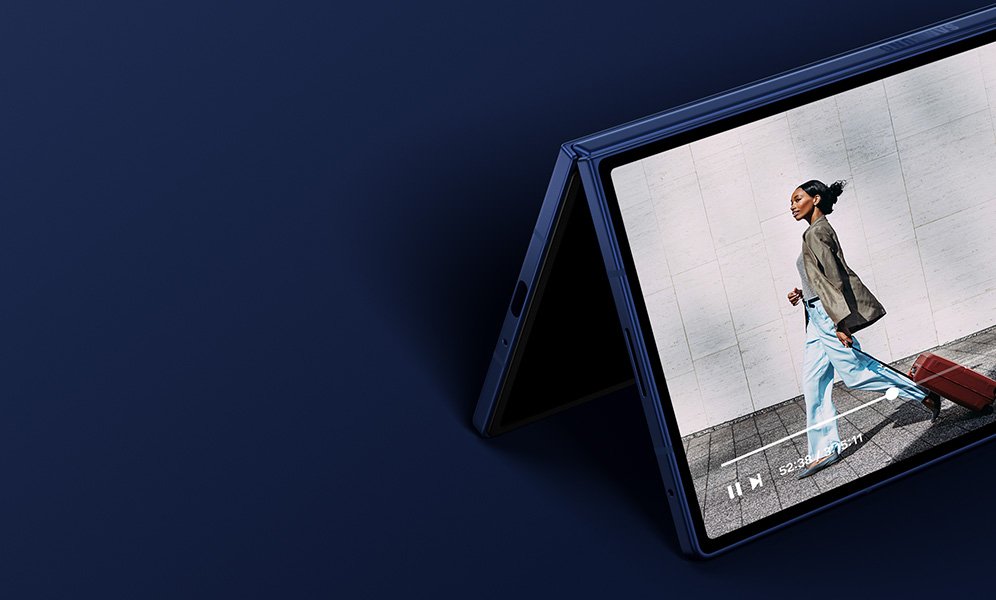
Samsung Galaxy Z Fold 8 (The Smart Money Pick)
Reviewers have called the wide-format Fold 8 Samsung’s oddest foldable yet, and also its best. The 4:3-style inner screen is great for movies and games, battery life is solid, and it feels less like a gadget experiment and more like a phone.
It’s also priced to be competitive. Reports at launch suggested Samsung lowered the Fold 8’s price while raising the Ultra’s, and Android Authority noted it’s a book-style foldable that doesn’t break the $2,000 barrier. That’s a big deal.
Best for: Most people who want a foldable without the sticker shock.
Watch out for: Cameras that reviewers say aren’t class-leading.
Samsung Galaxy Z Fold 8 Ultra (The Power User’s Pick)
This is the “traditional” tall foldable, the direct successor to the Fold 7. Think of maximum specs and the best camera setup. Early pricing figures suggest roughly $2,099 and up, depending on storage.
Best for: Power users, multitaskers, and anyone who wants Samsung’s top-tier hardware.
Watch out for: The price. It’s firmly in “luxury” territory.
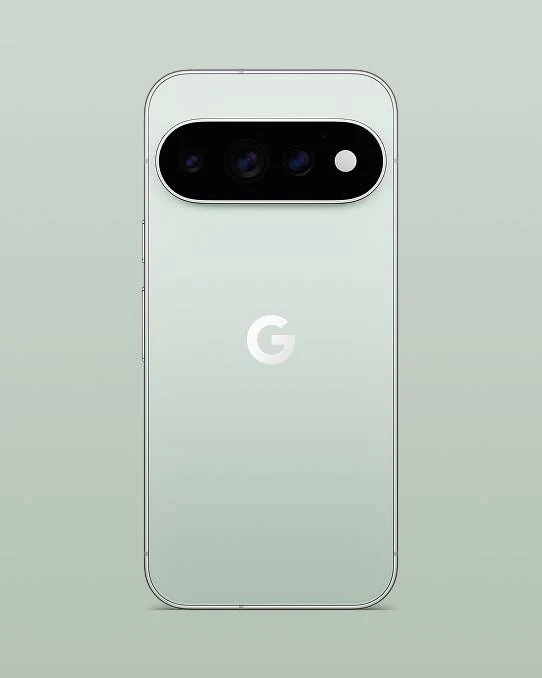
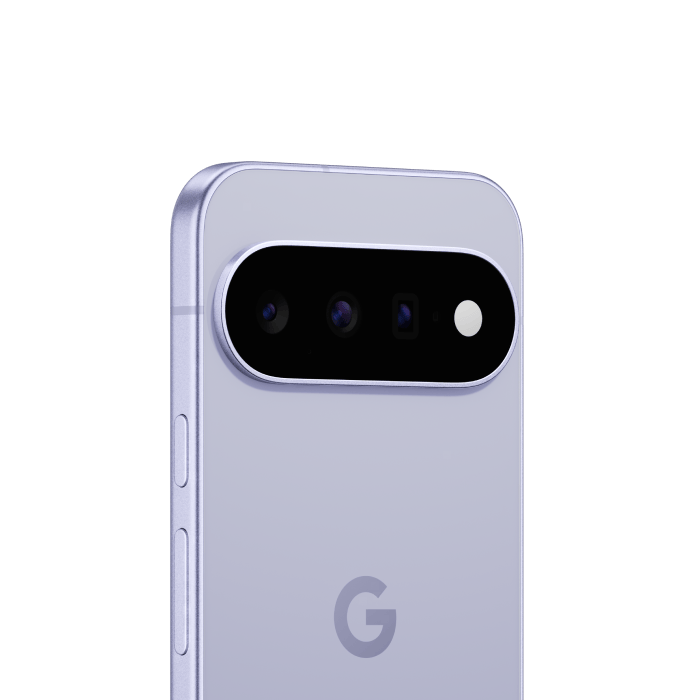
Google Pixel 11 Pro Fold (The Clean-Software Choice)
Google’s newest fold keeps an 8-inch inner display and 6.5-inch cover screen, and Google says both reach 3,600 nits of peak brightness, about 20 percent higher than the Pixel 10 Pro Fold. Pre-launch reporting pegged pricing near $1,799, but confirm that at checkout.
The older Pixel 10 Pro Fold remains a smart discount buy. It offers IP68 protection, seven years of OS and security updates, and better battery life than the Fold 7 for about $200 less, according to Tom’s Guide. Its weak spot has been performance, where Pixels trail rivals.
Best for: People who love clean Android, long update support, and durability.
Watch out for: Performance that lags behind Samsung.
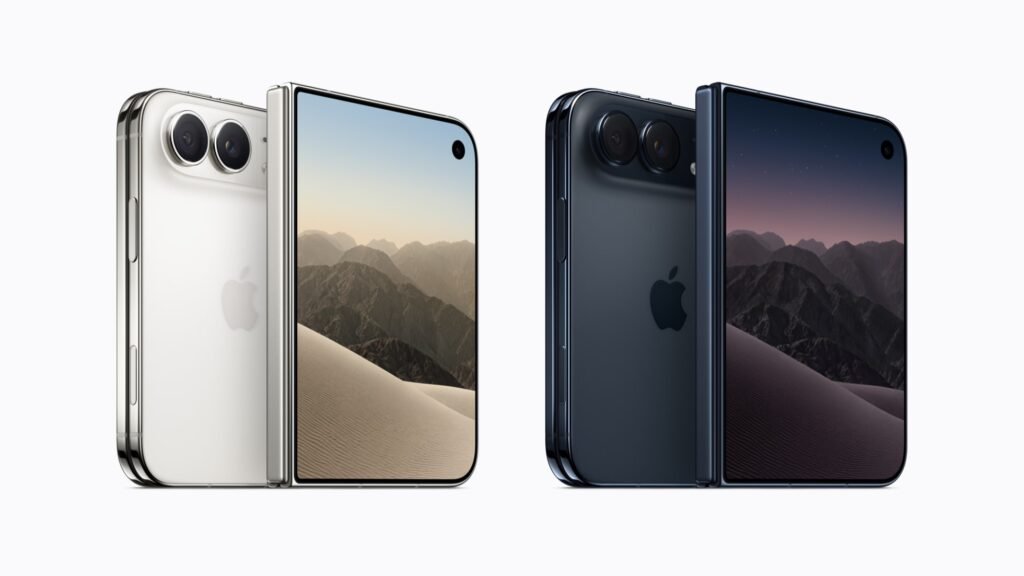
Apple’s First Foldable (The Wild Card)
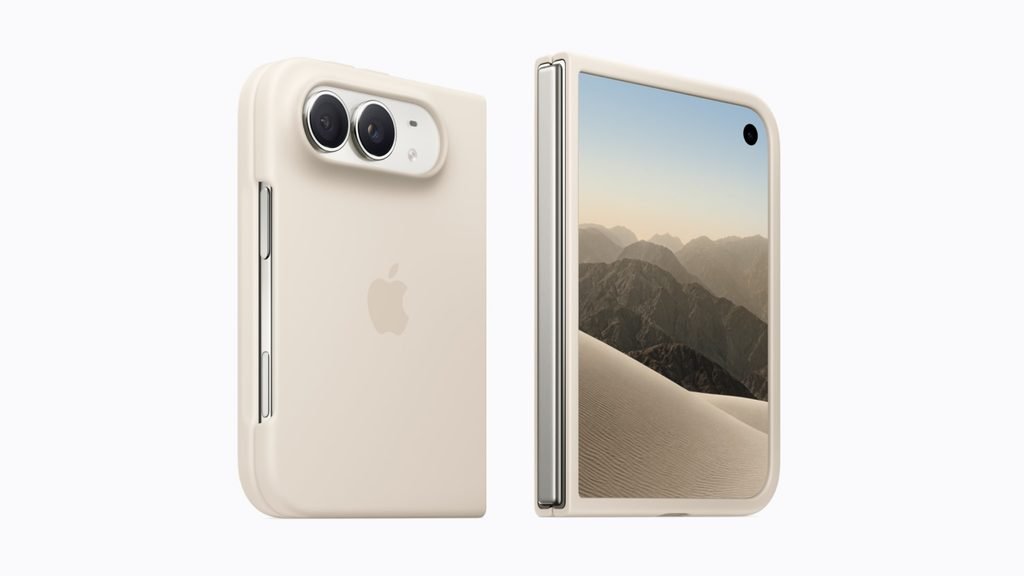
Apple’s foldable has been reported under names including iPhone Ultra and iPhone Duo, and coverage varies on details, so treat specs and naming with caution. Reported figures include a roughly 7.6-inch inner display and a 5.4-inch outer screen.
Pricing estimates range widely, from about $2,100 on the low end to roughly $2,900 for high-storage models. Some reports also suggest a limited, US-first rollout and possible supply shortages through the end of 2026.
Best for: Apple loyalists with deep pockets and patience.
Watch out for: First-generation risk. It’s usually smart to be cautious with any first-gen device.
Motorola Razr and Samsung Galaxy Z Flip 8 (The Flip Phone Crowd)
Don’t want a mini tablet? Flip phones are the more affordable, pocket-friendly side of the category.
The Motorola Razr is widely seen as the best-value foldable. The 2026 Razr Ultra brings a brighter screen, a bigger battery, and a better camera sensor. The Galaxy Z Flip 8 is the polished mainstream pick, with prices reportedly rumored to rise about $100 over the Flip 7’s $1,099.
Best for: Anyone who wants a compact, stylish phone at a lower price.
Real-Life Foldable Phone Experience: What It’s Actually Like
After a few weeks with any good foldabl phone, a pattern emerges. You stop thinking about the hinge. You start noticing how much you use the big screen.
Reading and browsing: Newsletters, long articles, and PDFs feel dramatically better on an 8-inch display.
Work on the go: Two apps side by side makes a quick email reply or a Google Doc edit feel like using a tiny laptop.
Video: Watching on a big inner screen is great, especially for 4:3 or tablet-friendly content.
Gaming: Reviewers rave about the wide format for games.
Photos: The cover screen as a selfie viewfinder using your best rear camera is a legitimately fun trick.
Typing: The cover screen on older, narrow foldables was awkward. Newer wide models fix this.
And the downsides? You’ll still baby the phone at first. You’ll look at the crease more than you should. And you’ll probably get a case, which adds bulk.
The Honest Downsides (Because Every Blog Should Include Them)
Techloopy’s job isn’t to hype products. Foldables are better, but they aren’t perfect.
Price
A flagship foldable phone costs $1,800 to $2,500 or more, depending on storage. Even with launch discounts and trade-ins, that’s a lot more than a premium slab phone. The good news is that competition is pushing prices toward better value, and last-generation models often drop significantly.
Repairs
A cracked inner screen on a foldable phone can cost several hundred dollars to fix. Manufacturer warranties and insurance plans matter more here than on a normal phone. Consider protection like Samsung Care+, Google’s Preferred Care, or AppleCare+ when buying.
Long-Term Wear
Foldables from 2025 and 2026 are far tougher, but nobody has a decade of data yet. A hinge that’s rated for hundreds of thousands of folds sounds impressive, but real-world pockets, dust, and drops are unpredictable.
Camera Trade-Offs
Thin bodies mean smaller camera hardware. Reviews suggest top-end foldable phone cameras are excellent but still not always as strong as the very best slab phones.
Crease and Screen Protectors
The inner display is still a softer surface than glass. Don’t use your fingernails on it, and don’t peel off the factory screen protector.
Who Should Buy a Foldable Phone in 2027?
A foldable phone makes sense if you:
- Read, work, or multitask on your phone a lot
- Watch lots of video or play games on mobile
- Like having the newest tech
- Can afford it without financial stress
- Want one device that replaces both a phone and a small tablet
You might want to wait if you:
- Are on a tight budget
- Drop your phone often or work in rough environments
- Prefer the best possible camera
- Are considering Apple’s first foldable phone and don’t love first-gen risk
- Just want a simple, reliable phone
If you’re unsure, a flip phone like the Razr is a lower-risk way to try the category.
Smart Buying Tips for US Shoppers
- Look at carrier deals. Verizon, T-Mobile, and AT&T often offer large trade-in credits on foldables, especially around launches and Black Friday. We’re in the holiday shopping window right now, which is prime time for discounts.
- Consider last-year’s model. The Galaxy Z Fold 7 and Pixel 10 Pro Fold are still excellent and often much cheaper now.
- Buy protection. On a device this expensive, an extended warranty plan can be worth the monthly fee.
- Check return windows. Try the phone in real life. If the crease or size bugs you, return it.
- Be careful with first-gen products. If Apple’s foldable phone tempts you, read independent reviews first.
- Compare storage tiers. The 256GB model is enough for most people. Paying hundreds more for 1TB rarely makes sense.
Foldables and AI: The Next Chapter
One reason this generation feels different is AI. Foldable phone screens are a natural home for AI assistants: you can run a chatbot beside your notes, translate live conversations across two panels, or have a research assistant alongside a web page.
That’s where our sister topic, AI tools Techloopy, becomes relevant. If you’re curious which assistants work best on large screens, we’ve tested several. Expect more AI-first features on foldable phones going forward, and it’s one more reason the form factor looks less like a gimmick and more like a platform.
The Verdict: So, Are Foldable Phones Finally Good Enough?
Here’s my honest take after years of skepticism.
Yes. For the first time, foldable phones feel like finished products rather than expensive experiments. They’re tougher, thinner, brighter, and smarter. The Galaxy Z Fold 8 proves a foldable phones can feel natural. The Pixel line proves one can be durable. And Apple’s arrival shows that major players now see this as the future.
But “good enough” doesn’t mean “right for everyone.” If you want the cutting edge and can afford it, 2027 is the best time yet to try one. If you value simplicity and price above all, a regular phone still wins.
The real sign of progress? My skeptical friend from that coffee shop now uses a foldable phone daily. He no longer talks about the crease. He talks about how he can’t go back.
That’s when you know a technology has grown up.
Frequently Asked Questions (FAQ)
1. Are foldable phones worth buying in 2027?
For many buyers, yes. Improved durability, better software, and thinner designs make them far more practical than earlier models. They’re still expensive, so they’re worth it mainly if you’ll use the larger screen regularly.
2. Are foldable phones durable now?
Much more than before. The Pixel 10 Pro Fold has an IP68 rating, and Samsung’s recent foldable phone use reinforced hinges. They still aren’t quite as rugged as traditional phones, so a case and warranty are smart.
3. Do foldable phones still have a crease?
Yes, though it’s less noticeable than in early models. Rumors suggest Apple’s foldable phone could nearly eliminate it, but real-world testing will confirm.
4. What is the best foldable phone to buy right now?
It depends on your needs. The Galaxy Z Fold 8 is a strong all-rounder, the Fold 8 Ultra is best for power users, the Pixel line is great for clean software and durability, and the Razr is the value pick.
5. How much do foldable phones cost in the US?
Book-style flagship foldable phones generally run roughly $1,800 to $2,100 or more, while flip phones are often closer to $700 to $1,100 depending on the model and deals.
6. Is Apple releasing a foldable Phone?
Reports indicate Apple’s first foldable phone has arrived in 2026 fall season under a name such as iPhone Ultra or iPhone Duo, with pricing rumored above Samsung’s. Availability may be limited at first, so check Apple’s official announcements.
7. How long do foldable phones last?
Manufacturers rate hinges for hundreds of thousands of folds, and Google promises seven years of updates on the Pixel 10 Pro Fold. Real-world lifespan depends on how you treat it.
8. Should I buy a flip or a foldable phone?
Choose a flip phone if you want a compact, affordable, fashionable device. Choose a fold if you want a mini tablet for work, reading, and multitasking.
9. Are foldable phones good for gaming and video?
Yes. The larger, wider inner screens are excellent for video and many games, especially on wide-format models.
10. Does Techloopy review foldable phones and AI tools?
Yes. Techloopy covers smartphones, gadgets, and the latest tech, including AI tools Techloopy readers rely on. Check our other blogs at Techloopy.com for more.
Read More on Techloopy
- Best AI Tools in 2027: Our Top Picks – https://techloopy.com/top-10-ai-tools-in-2026-for-a-marketer/
- Galaxy Z Fold 8 vs Pixel 11 Pro Fold: Which Should You Buy? – https://techloopy.com/iphone-duo-vs-samsung-galaxy-z-fold-7/
- Best Budget Smartphones for US Buyers – https://techloopy.com/smartphone-under-300-for-us-consumers-in-2026/
- Is Apple’s First Foldable Worth the Hype? – https://techloopy.com/iphone-duo-review-and-launch-details/
- AI Tools Techloopy Recommends for Productivity – https://techloopy.com/best-free-ai-tools-for-small-businesses-in-2027/
About the Author
Written by the Techloopy Editorial Team. At Techloopy, we’re a group of tech writers and gadget nerds who love breaking down complicated topics into plain English. From smartphones and foldables to AI tools and the latest industry shifts, we test, compare, and explain so you can make smarter buying decisions. Explore more reviews, guides, and honest takes at Techloopy.com, and follow us for new tech and AI tools Techloopy content every week.